- 020 3778 0973
- 078 1790 1473
- info@thestanlee.com
- Mon - Fri: 09:30 - 17:30

Running a business in the UK comes with a range of responsibilities, and staying compliant with tax regulations is one of the most important. Whether you operate as a sole trader, partnership, or limited company, understanding your tax obligations can help you avoid penalties, improve financial planning, and maintain smooth business operations.
At Stan Lee Accountancy Ltd, we work closely with businesses across the UK to simplify accounting and tax matters. This practical guide explains the key UK tax regulations every business owner should understand.
UK tax legislation is regularly updated, and many businesses struggle to keep pace with changing rules and reporting requirements. Failure to comply can lead to:
Having a clear understanding of your obligations allows you to make informed financial decisions and focus on growing your business confidently.
Before dealing with taxes, your business structure must be properly established. In the UK, common business structures include:
Each structure has different tax responsibilities and reporting requirements. Limited companies, for example, must pay Corporation Tax and submit annual accounts to Companies House.
Proper registration with HM Revenue and Customs is essential to avoid compliance issues from the outset.
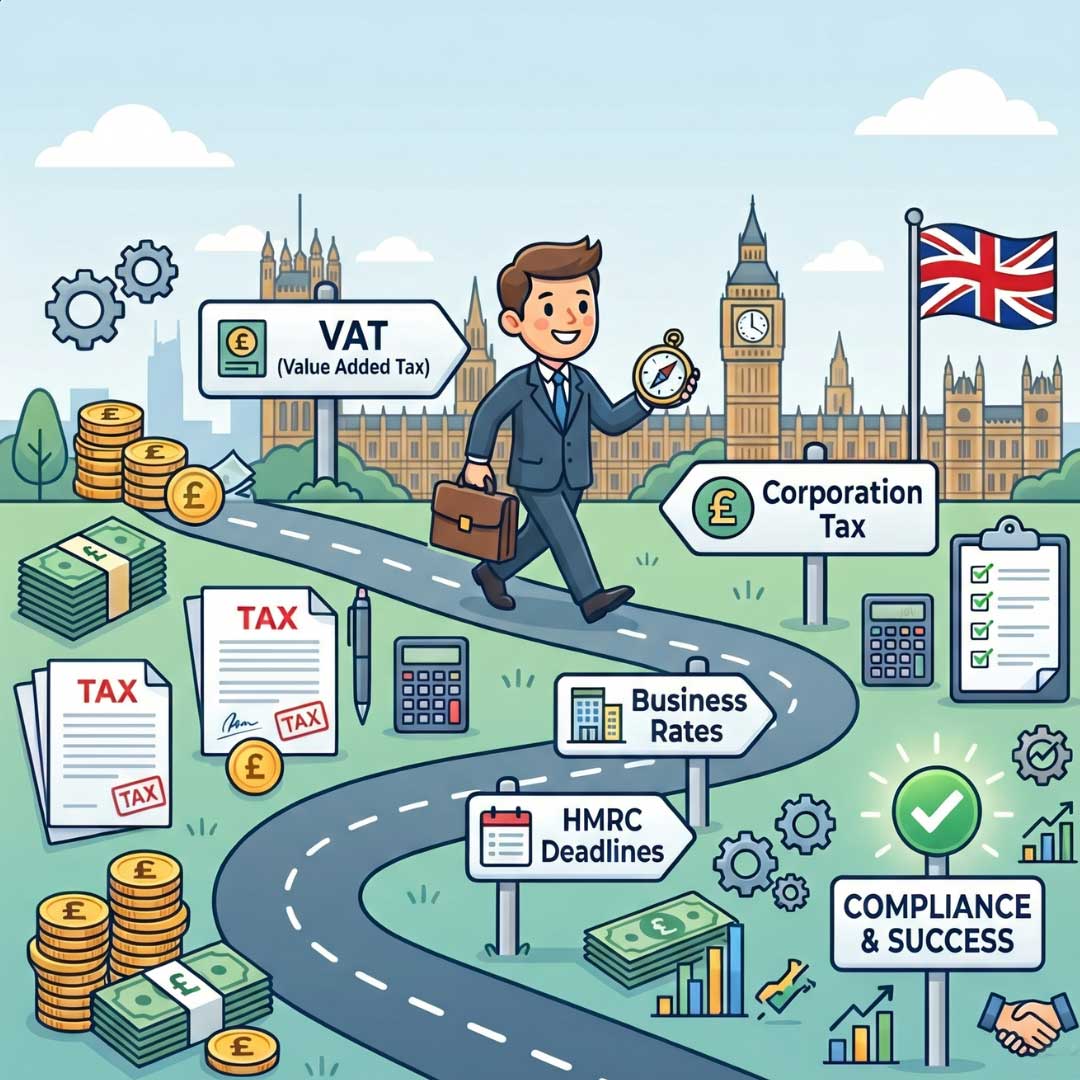
Limited companies operating in the UK are generally required to pay Corporation Tax on their profits. This includes profits from:
Businesses must:
Late submissions or payments can result in significant penalties. Effective tax planning can also help reduce liabilities legally and efficiently.
Value Added Tax (VAT) is another major area of compliance for UK businesses.
You must register for VAT if your taxable turnover exceeds the current HMRC threshold. Even businesses below the threshold may choose voluntary registration depending on their circumstances.
Key VAT responsibilities include:
Common VAT mistakes include incorrect rate application, missing deadlines, and poor bookkeeping practices.
If your business employs staff, you must operate PAYE (Pay As You Earn) correctly. Employers are responsible for:
Payroll errors can quickly create compliance problems, making professional support highly valuable for growing businesses.
Accurate bookkeeping is the foundation of tax compliance. UK businesses are legally required to maintain organised financial records, including:
Cloud accounting software has become increasingly popular because it improves accuracy, automation, and accessibility.
Well-maintained records also make it easier to:
The UK government continues to expand the Making Tax Digital initiative to modernise tax reporting.
MTD requires eligible businesses to:
Businesses that fail to comply with MTD requirements may face penalties and administrative difficulties. Preparing early helps ensure a smoother transition.
Many businesses overpay tax simply because they fail to claim legitimate business expenses.
Common allowable expenses may include:
Understanding what can and cannot be claimed is essential for reducing your tax burden legally.
Missing tax deadlines is one of the most common causes of penalties for UK businesses.
Important deadlines may include:
Using a professional accountant or digital reminder systems can help ensure deadlines are never missed.
HMRC may review or investigate businesses for several reasons, including irregular tax filings or reporting inconsistencies.
To reduce risk:
Professional accountants can also represent businesses during HMRC enquiries, reducing stress and improving communication.
UK tax regulations can be complex and time-consuming. Working with experienced accountants provides several advantages:
Professional support allows business owners to focus on operations and growth while ensuring tax obligations are handled properly.
Final Thoughts
Navigating UK tax regulations does not have to be overwhelming. With accurate bookkeeping, proper planning, and professional support, businesses can remain compliant while improving financial performance.
At Stan Lee Accountancy Ltd, we help businesses across the UK manage accounting, taxation, VAT, payroll, and compliance with confidence. Whether you are a start-up, small business, or growing company, expert guidance can make a significant difference to your long-term success.
If you need support with UK tax regulations or business accounting services, professional advice can help you stay compliant and financially organised throughout the year.
| Cookie | Duration | Description |
|---|---|---|
| cookielawinfo-checkbox-analytics | 11 months | This cookie is set by GDPR Cookie Consent plugin. The cookie is used to store the user consent for the cookies in the category "Analytics". |
| cookielawinfo-checkbox-functional | 11 months | The cookie is set by GDPR cookie consent to record the user consent for the cookies in the category "Functional". |
| cookielawinfo-checkbox-necessary | 11 months | This cookie is set by GDPR Cookie Consent plugin. The cookies is used to store the user consent for the cookies in the category "Necessary". |
| cookielawinfo-checkbox-others | 11 months | This cookie is set by GDPR Cookie Consent plugin. The cookie is used to store the user consent for the cookies in the category "Other. |
| cookielawinfo-checkbox-performance | 11 months | This cookie is set by GDPR Cookie Consent plugin. The cookie is used to store the user consent for the cookies in the category "Performance". |
| viewed_cookie_policy | 11 months | The cookie is set by the GDPR Cookie Consent plugin and is used to store whether or not user has consented to the use of cookies. It does not store any personal data. |